Keith M. Francis
Art/CV
“Press Kit”
American Beauty
Installations & Conceptual Works
The Unspoken Veil
UNTITLED, MELTING
UNTITLED
Welcome!
White Fence
Border Nation
Greed! (Illuminating Apathy)
Exploitation
Let’s Vote
Sculpture & Assemblage
Unseated
When I Grow Up...
Time?
The Weights of Choice
TILT
Game Over (the only winning move is not to play)
Enough is Enough
The Omniscient Frame
Greenspace
Subtleties of Indoctrination III
Bibi’s Gambit
Violation
We Reap What We Sow
What If? (Confronting the Abyss)
The Gamble of Governance
Who's Watching Who
The New Religion
Democracy: It’s a Game
Childhood Cowboys
Made in China
Caste #2
A Cautionary Tale
JUCHE
Us and Them
Public Art & Commissions
Mother Nature: The Common Thread
The Common Thread
#146
LoveLocks
Glittering Patterns
#401
White Fence
Ole Miss: University of Mississippi
The Firefighters
Mixed Media & Relief
Shirley Temple
Soft Power (Compressed)
Sins of my Forefathers
Crimson Legacy
The Great Narcissist
Share A Coke
Exhibitions
NEWS
Press
HYPERALLERGIC
Contact Me!
Keith M. Francis
Art/CV
“Press Kit”
American Beauty
Installations & Conceptual Works
The Unspoken Veil
UNTITLED, MELTING
UNTITLED
Welcome!
White Fence
Border Nation
Greed! (Illuminating Apathy)
Exploitation
Let’s Vote
Sculpture & Assemblage
Unseated
When I Grow Up...
Time?
The Weights of Choice
TILT
Game Over (the only winning move is not to play)
Enough is Enough
The Omniscient Frame
Greenspace
Subtleties of Indoctrination III
Bibi’s Gambit
Violation
We Reap What We Sow
What If? (Confronting the Abyss)
The Gamble of Governance
Who's Watching Who
The New Religion
Democracy: It’s a Game
Childhood Cowboys
Made in China
Caste #2
A Cautionary Tale
JUCHE
Us and Them
Public Art & Commissions
Mother Nature: The Common Thread
The Common Thread
#146
LoveLocks
Glittering Patterns
#401
White Fence
Ole Miss: University of Mississippi
The Firefighters
Mixed Media & Relief
Shirley Temple
Soft Power (Compressed)
Sins of my Forefathers
Crimson Legacy
The Great Narcissist
Share A Coke
Exhibitions
NEWS
Press
HYPERALLERGIC
Contact Me!
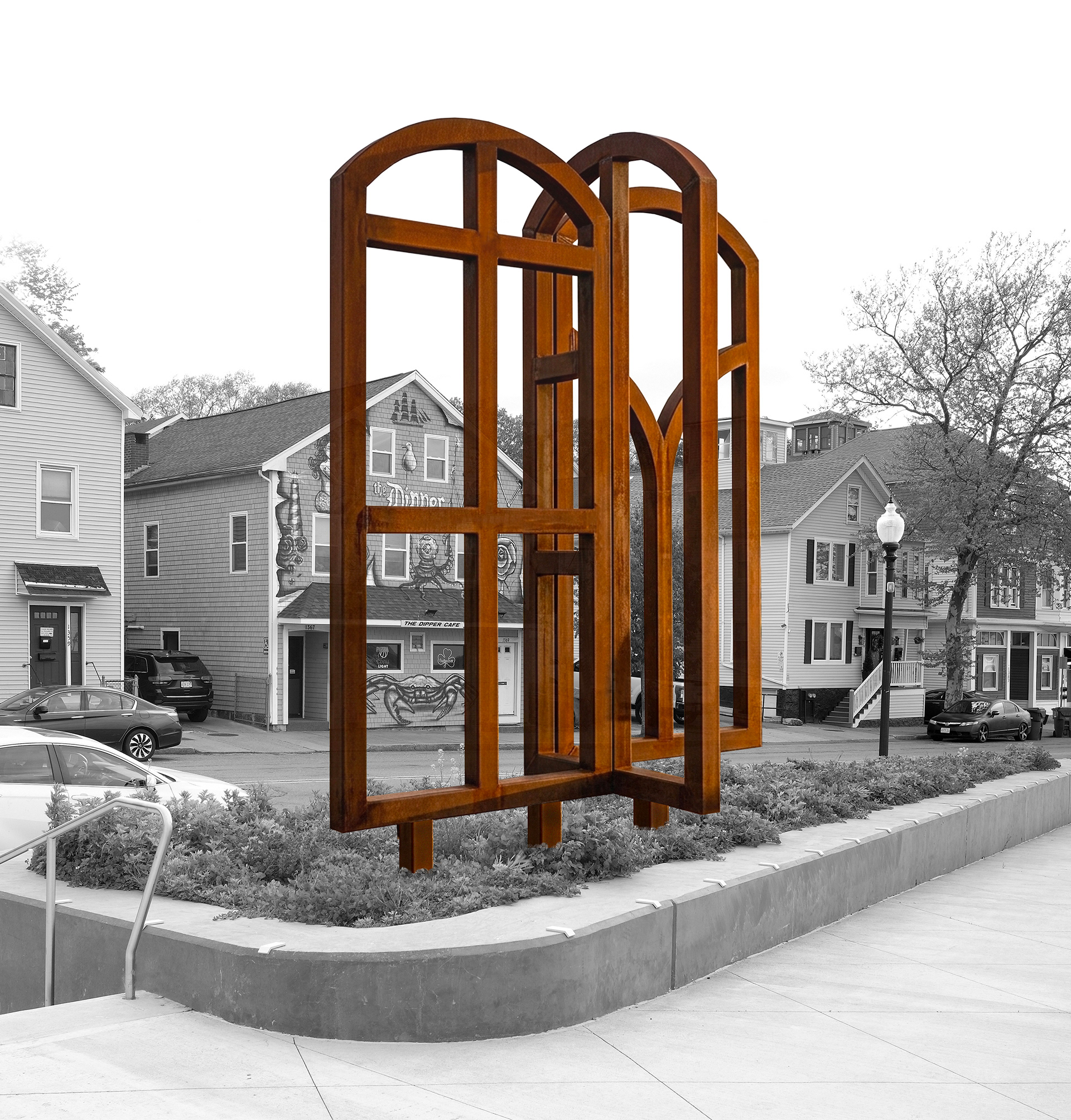
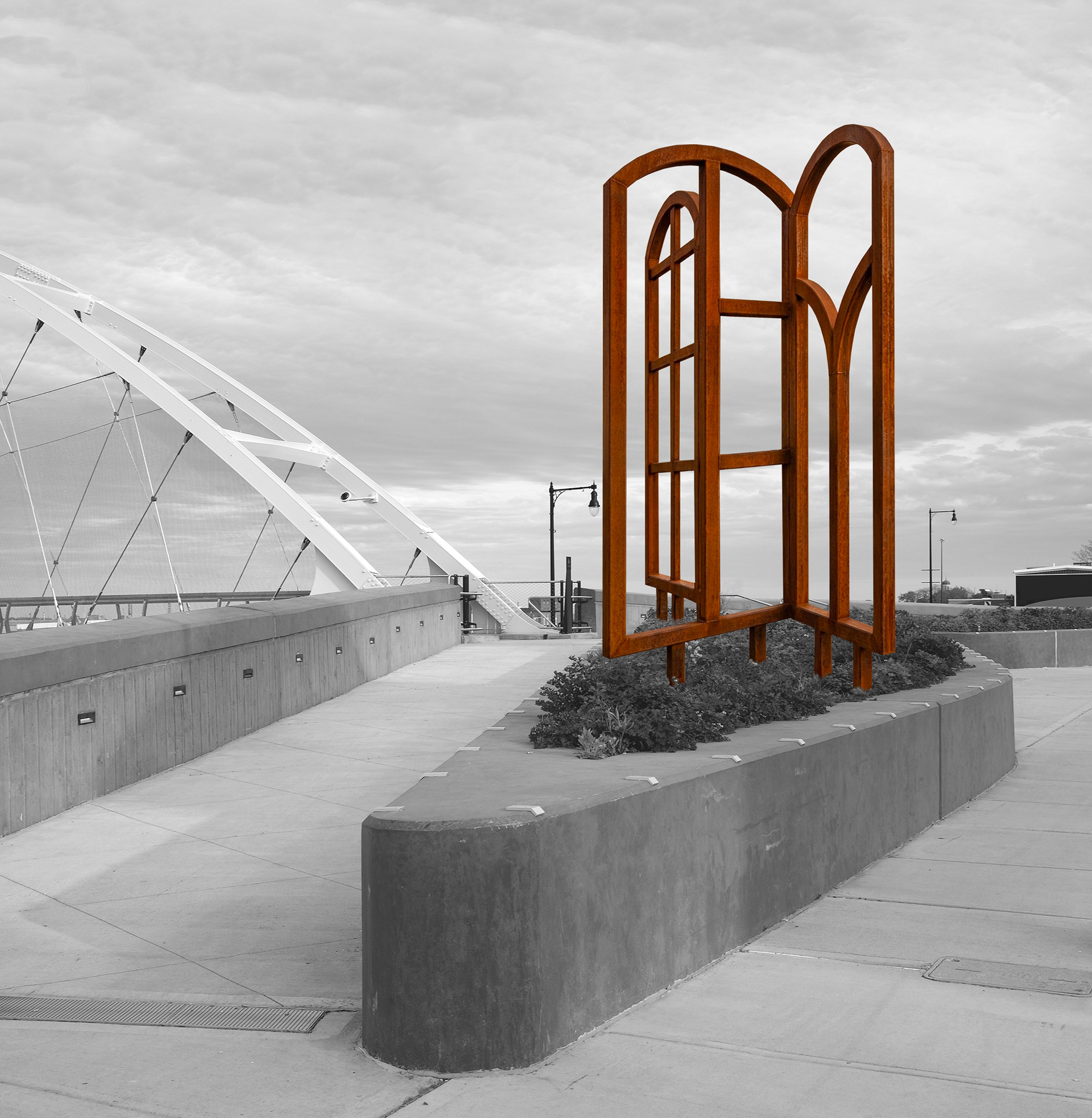
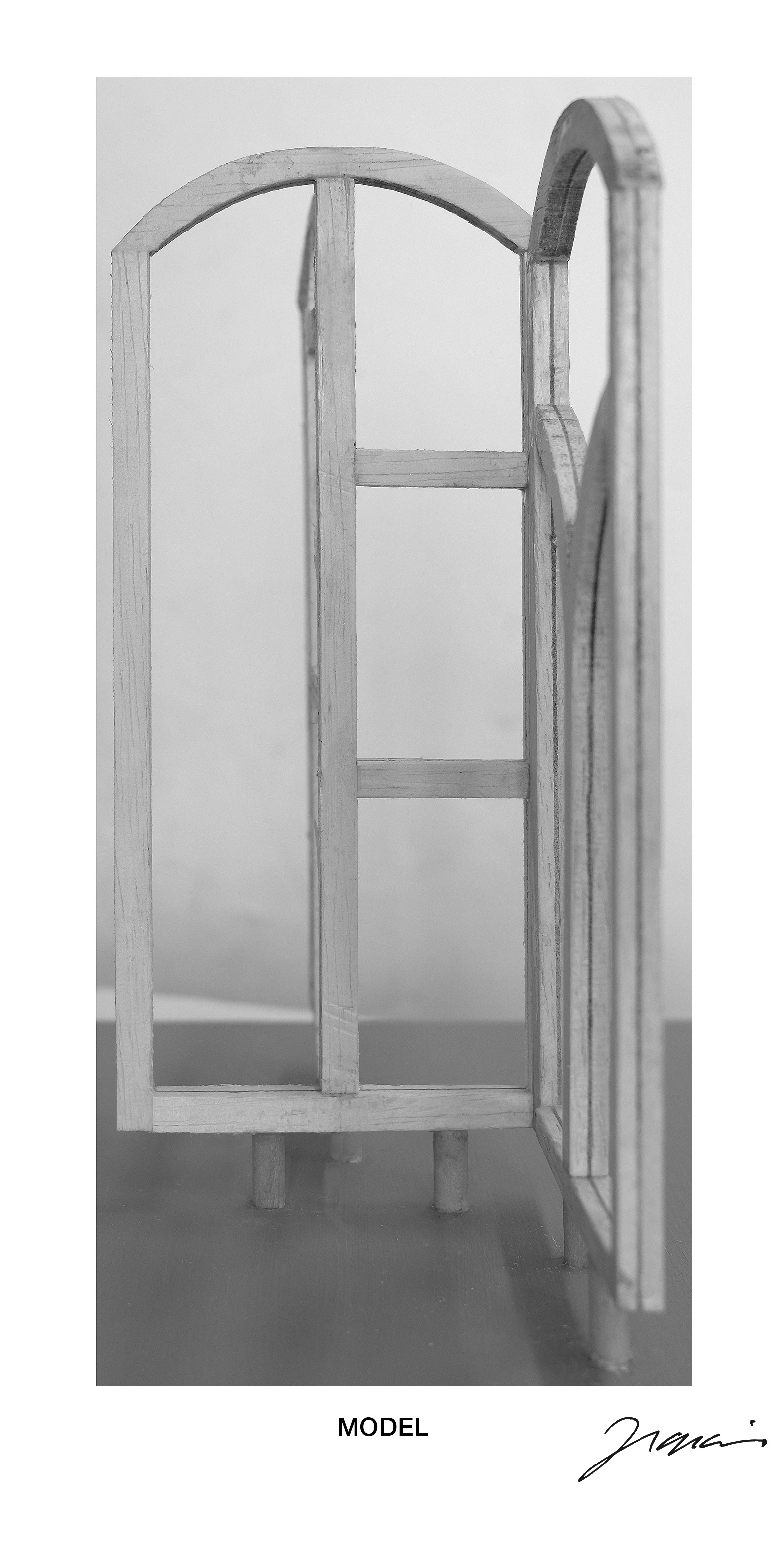
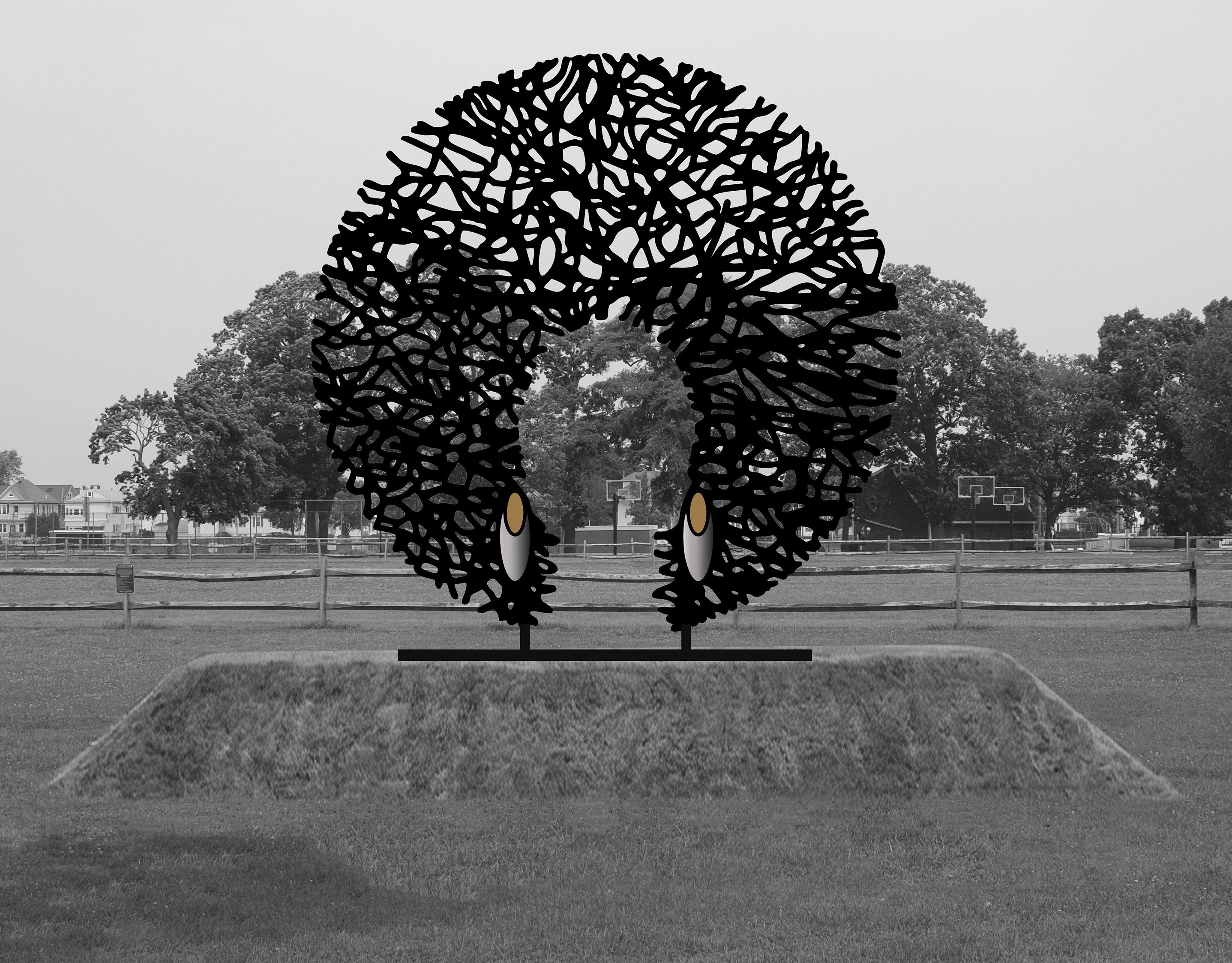
The Common Thread
Design: 10’-0” X 9’-0” X 4’-6”; Cor-Ten Steel. New Bedford, MA
2027 Public Art Commission: Massachusetts
conceptual Photograph May 2026
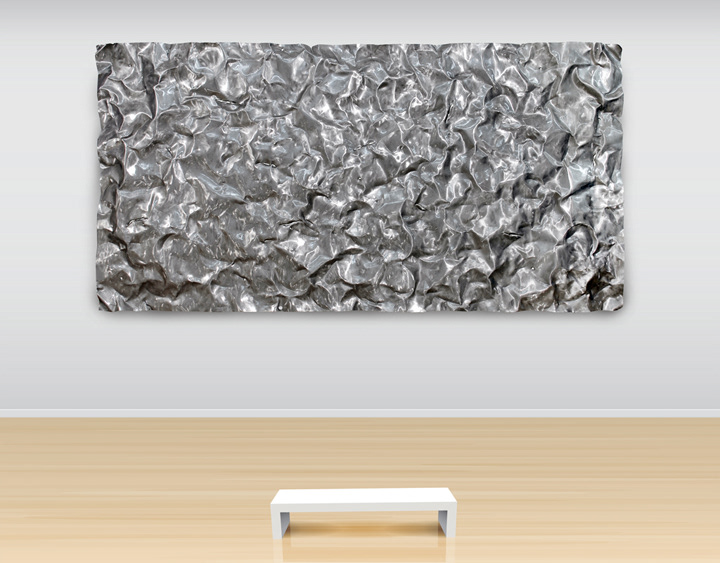
conceptual Photograph May 2026
You may also like
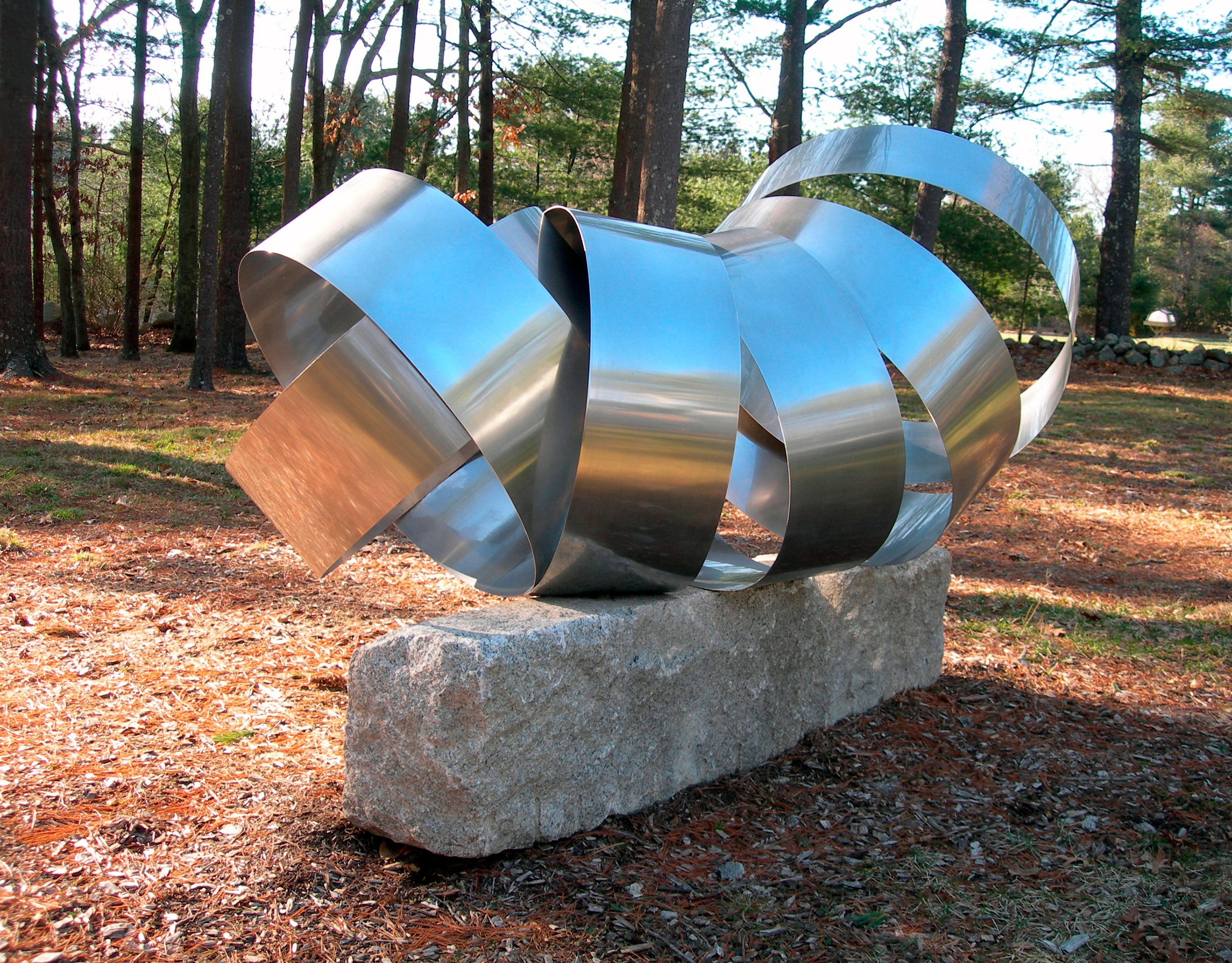
The Firefighters
2008, stainless steel and granite, 60 X 84 X 36 in., 1,860 lbs.
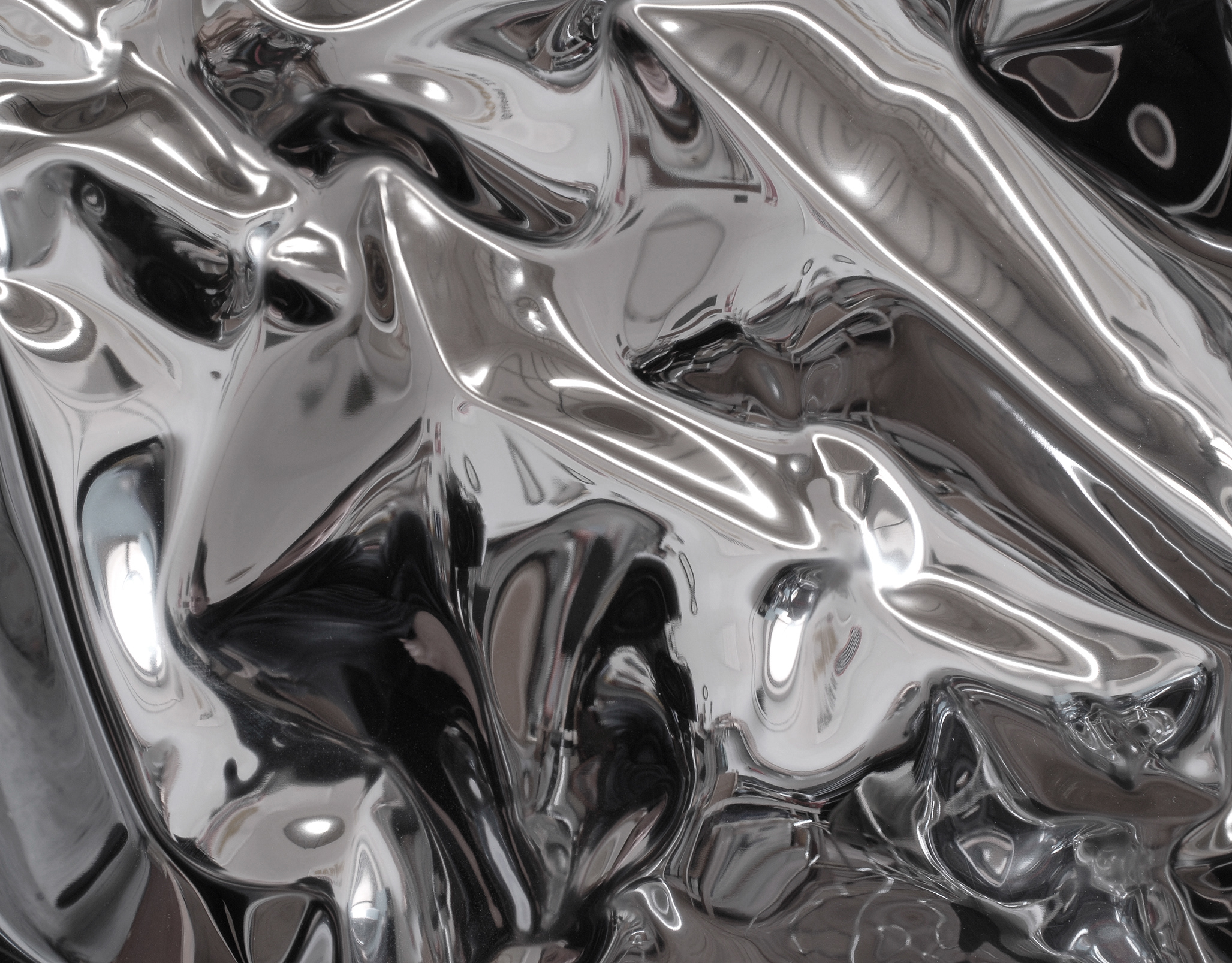
#401
2026, hand formed steel; 48" X 36" X 3." Stainless steel, Mirror Finish.
Mother Nature: The Common Thread
8’-0” X 8’-0” X 3'-0", 3/8" solid rolled steel, powder coated, and Virgin’s Bower (Clematis virginiana).
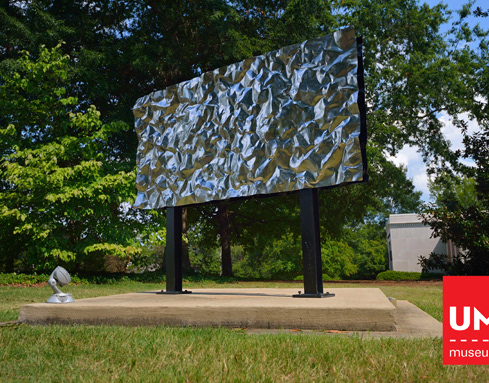
#146
2016, steel, 48 X 96 X 3 in.
Ole Miss: University of Mississippi
2014, stainless steel and I Beams, 6-0" X 8'-0" X 1'-0" ft.
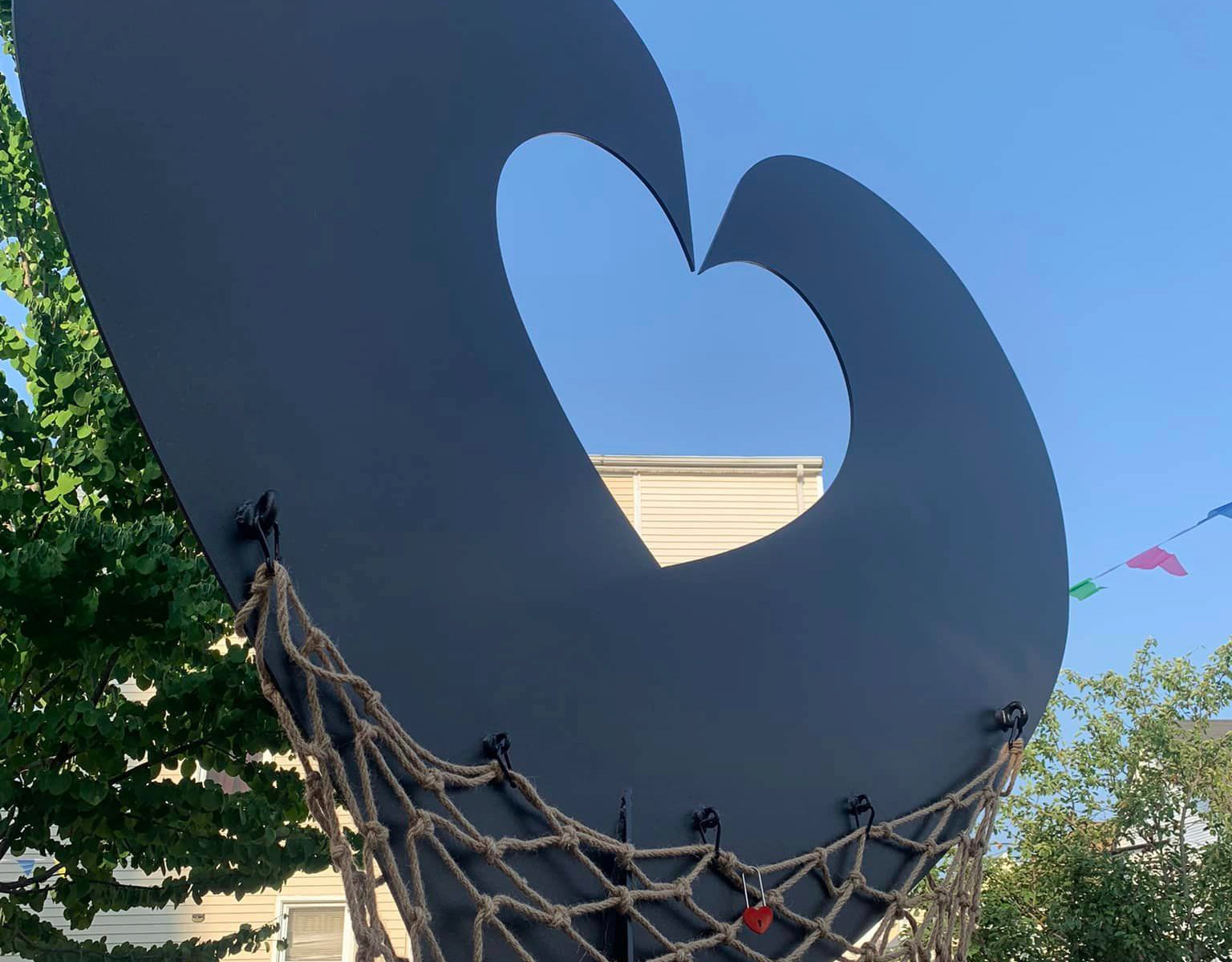
LoveLocks
2023, steel and granite, 12'-0" X 10'-0" X 4'-0" ft, 3,000 lbs.
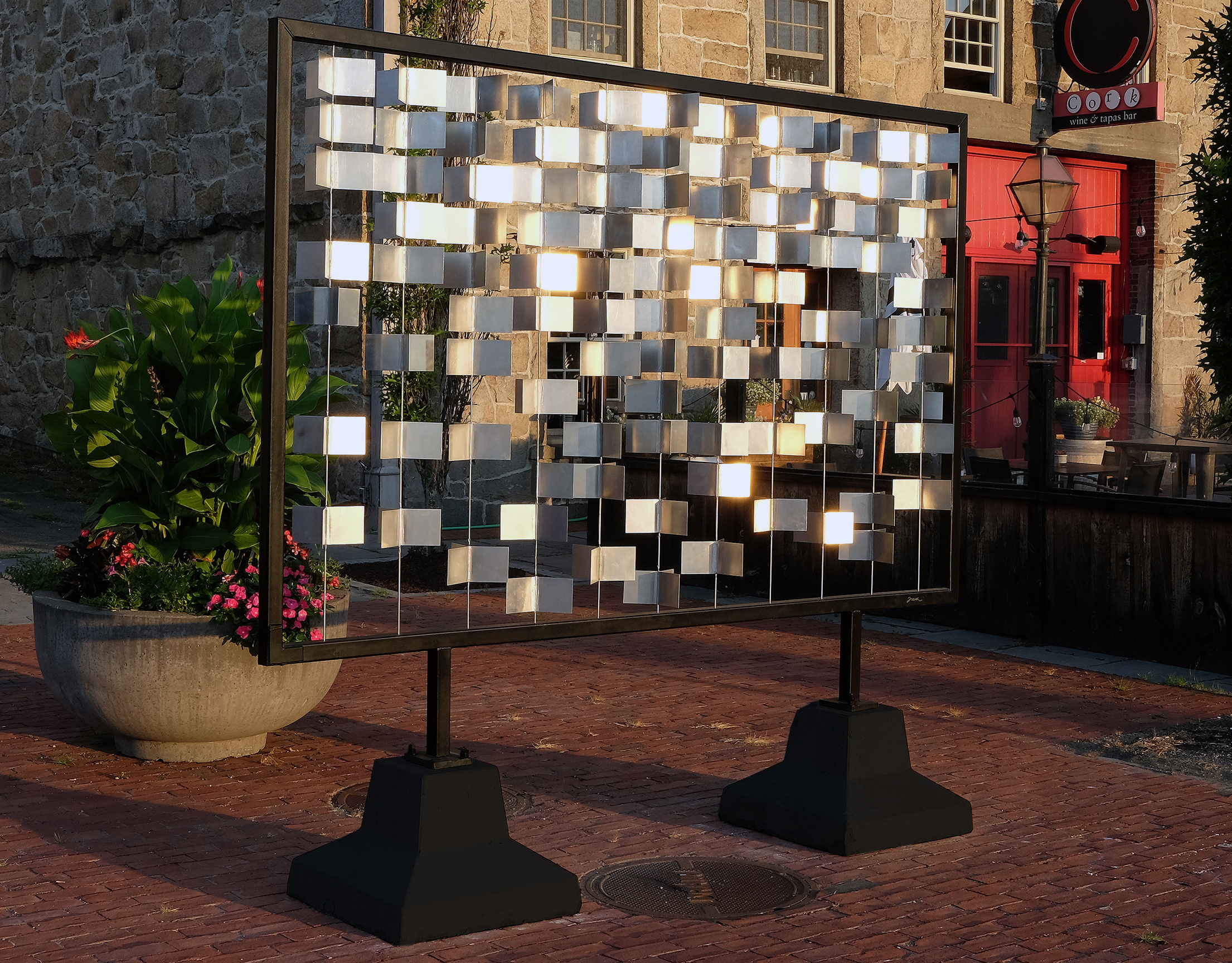
Glittering Patterns
Kinetic sculpture 9'-0" X 9'-0" X 3'-0", steel, aluminum and concrete footings.
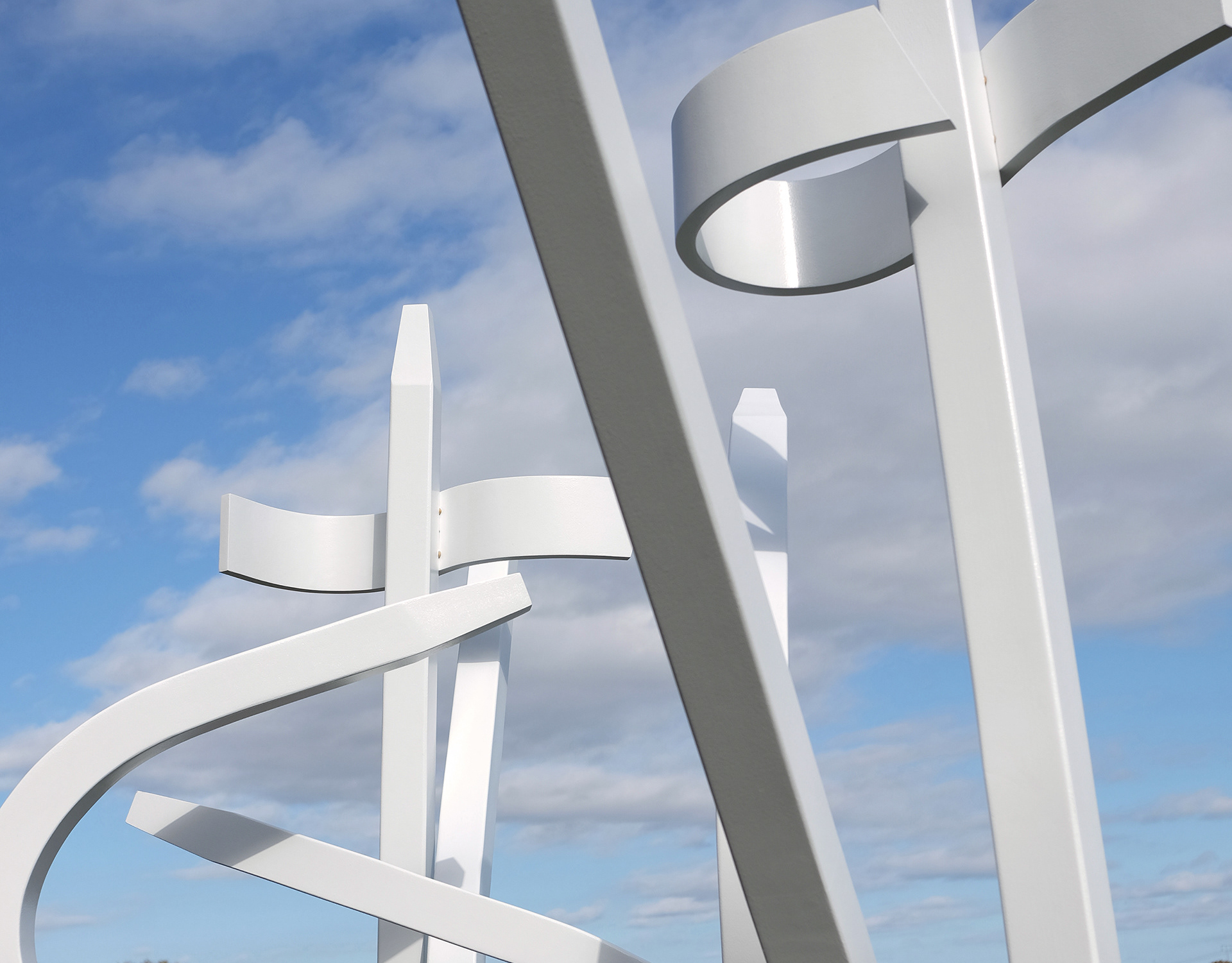
White Fence
2020, wood and aluminum base, 100 X 108 X 72 in.
↑
Back to Top