Keith M. Francis
Art/CV
“Press Kit”
American Beauty
Installations & Conceptual Works
The Unspoken Veil
UNTITLED, MELTING
UNTITLED
Welcome!
White Fence
Border Nation
Greed! (Illuminating Apathy)
Exploitation
Let’s Vote
Sculpture & Assemblage
Unseated
When I Grow Up...
Time?
The Weights of Choice
TILT
Game Over (the only winning move is not to play)
Enough is Enough
The Omniscient Frame
Greenspace
Subtleties of Indoctrination III
Bibi’s Gambit
Violation
We Reap What We Sow
What If? (Confronting the Abyss)
The Gamble of Governance
Who's Watching Who
The New Religion
Democracy: It’s a Game
Childhood Cowboys
Made in China
Caste #2
A Cautionary Tale
JUCHE
Us and Them
Public Art & Commissions
Mother Nature: The Common Thread
The Common Thread
#146
LoveLocks
Glittering Patterns
#401
White Fence
Ole Miss: University of Mississippi
The Firefighters
Mixed Media & Relief
Shirley Temple
Soft Power (Compressed)
Sins of my Forefathers
Crimson Legacy
The Great Narcissist
Share A Coke
Exhibitions
NEWS
Press
HYPERALLERGIC
Contact Me!
Keith M. Francis
Art/CV
“Press Kit”
American Beauty
Installations & Conceptual Works
The Unspoken Veil
UNTITLED, MELTING
UNTITLED
Welcome!
White Fence
Border Nation
Greed! (Illuminating Apathy)
Exploitation
Let’s Vote
Sculpture & Assemblage
Unseated
When I Grow Up...
Time?
The Weights of Choice
TILT
Game Over (the only winning move is not to play)
Enough is Enough
The Omniscient Frame
Greenspace
Subtleties of Indoctrination III
Bibi’s Gambit
Violation
We Reap What We Sow
What If? (Confronting the Abyss)
The Gamble of Governance
Who's Watching Who
The New Religion
Democracy: It’s a Game
Childhood Cowboys
Made in China
Caste #2
A Cautionary Tale
JUCHE
Us and Them
Public Art & Commissions
Mother Nature: The Common Thread
The Common Thread
#146
LoveLocks
Glittering Patterns
#401
White Fence
Ole Miss: University of Mississippi
The Firefighters
Mixed Media & Relief
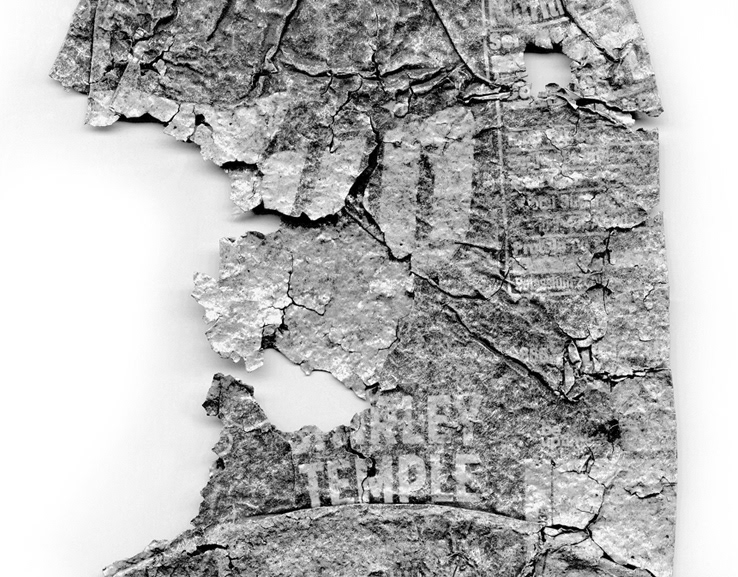
Shirley Temple
Soft Power (Compressed)
Sins of my Forefathers
Crimson Legacy
The Great Narcissist
Share A Coke
Exhibitions
NEWS
Press
HYPERALLERGIC
Contact Me!
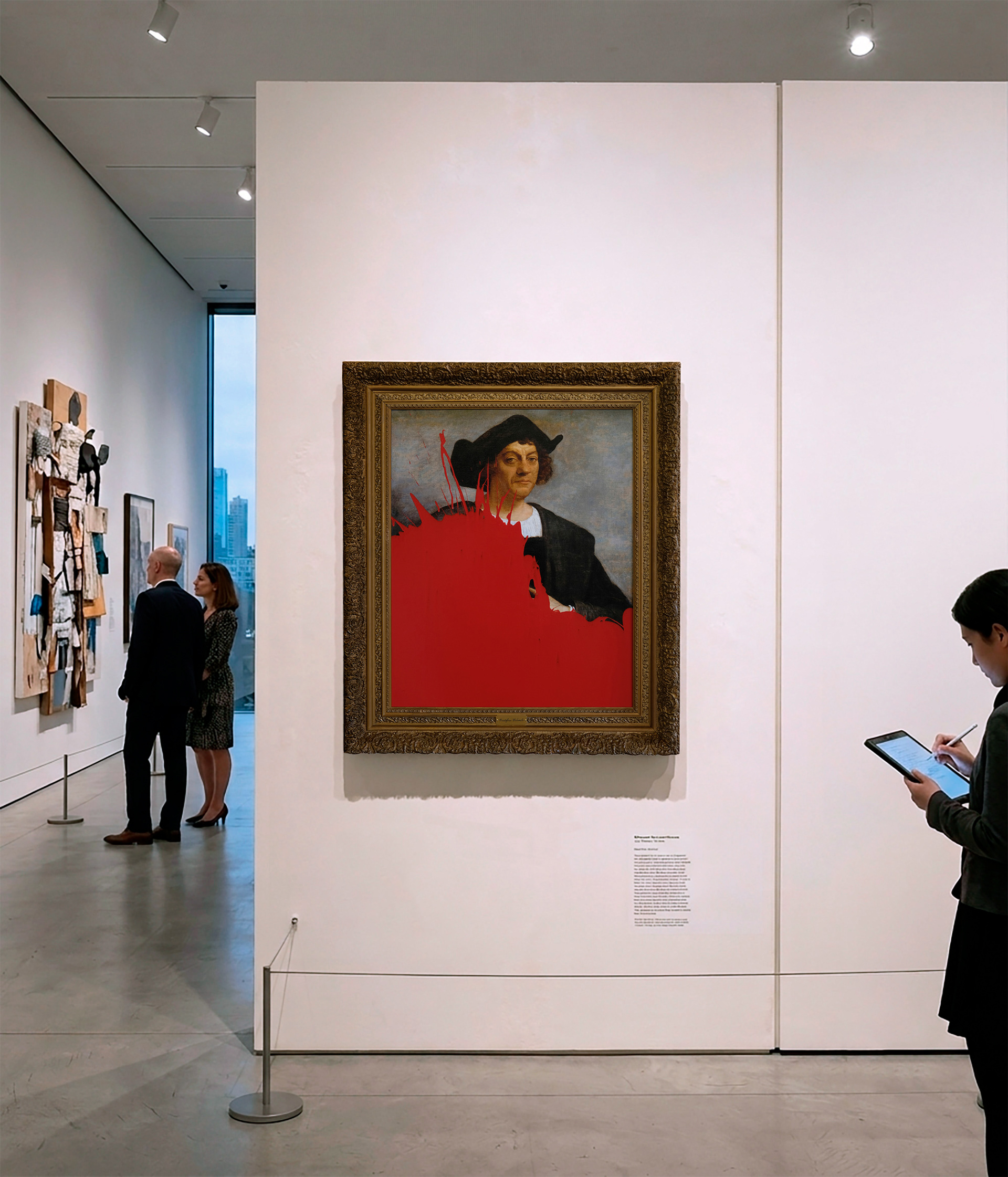
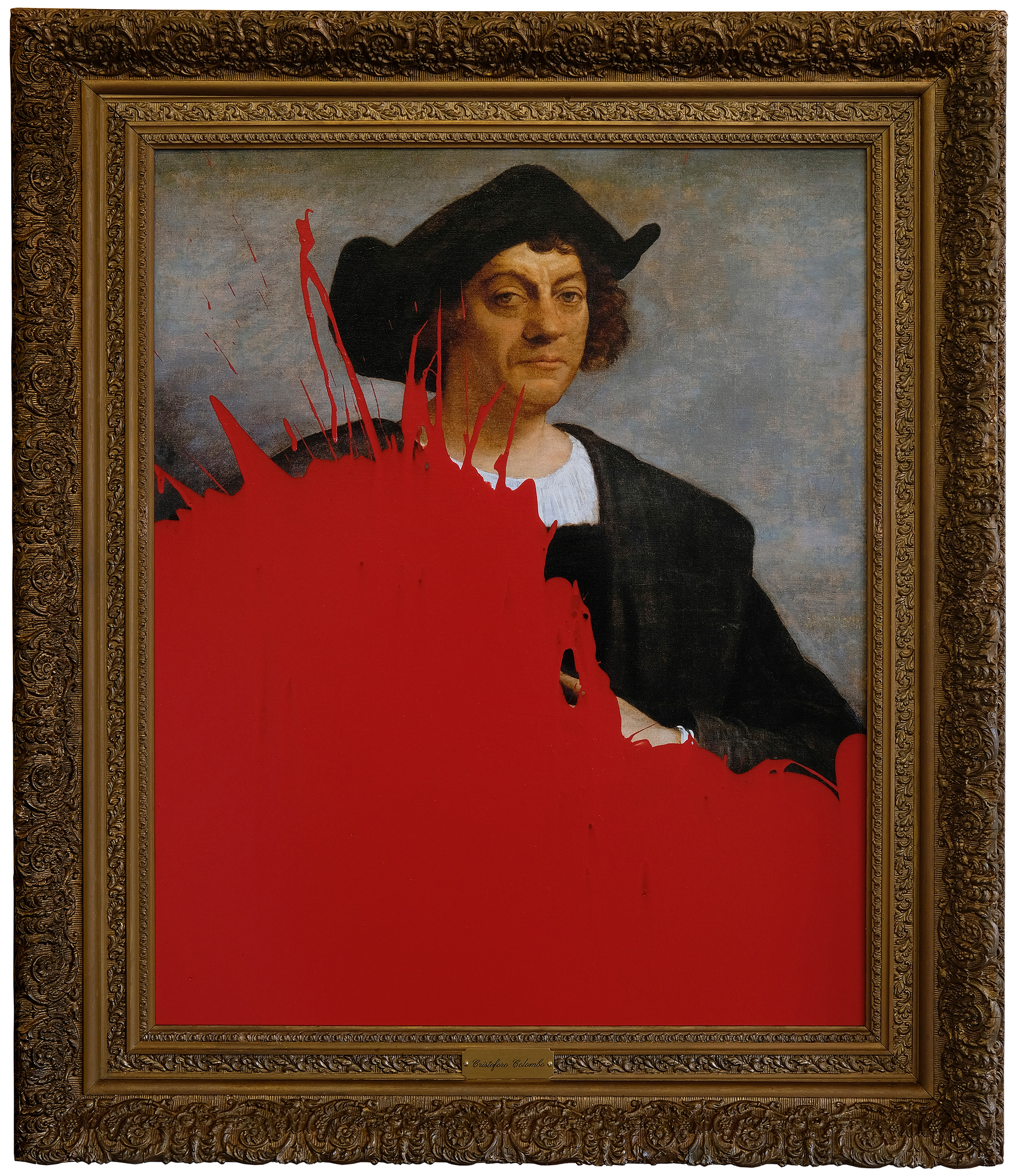
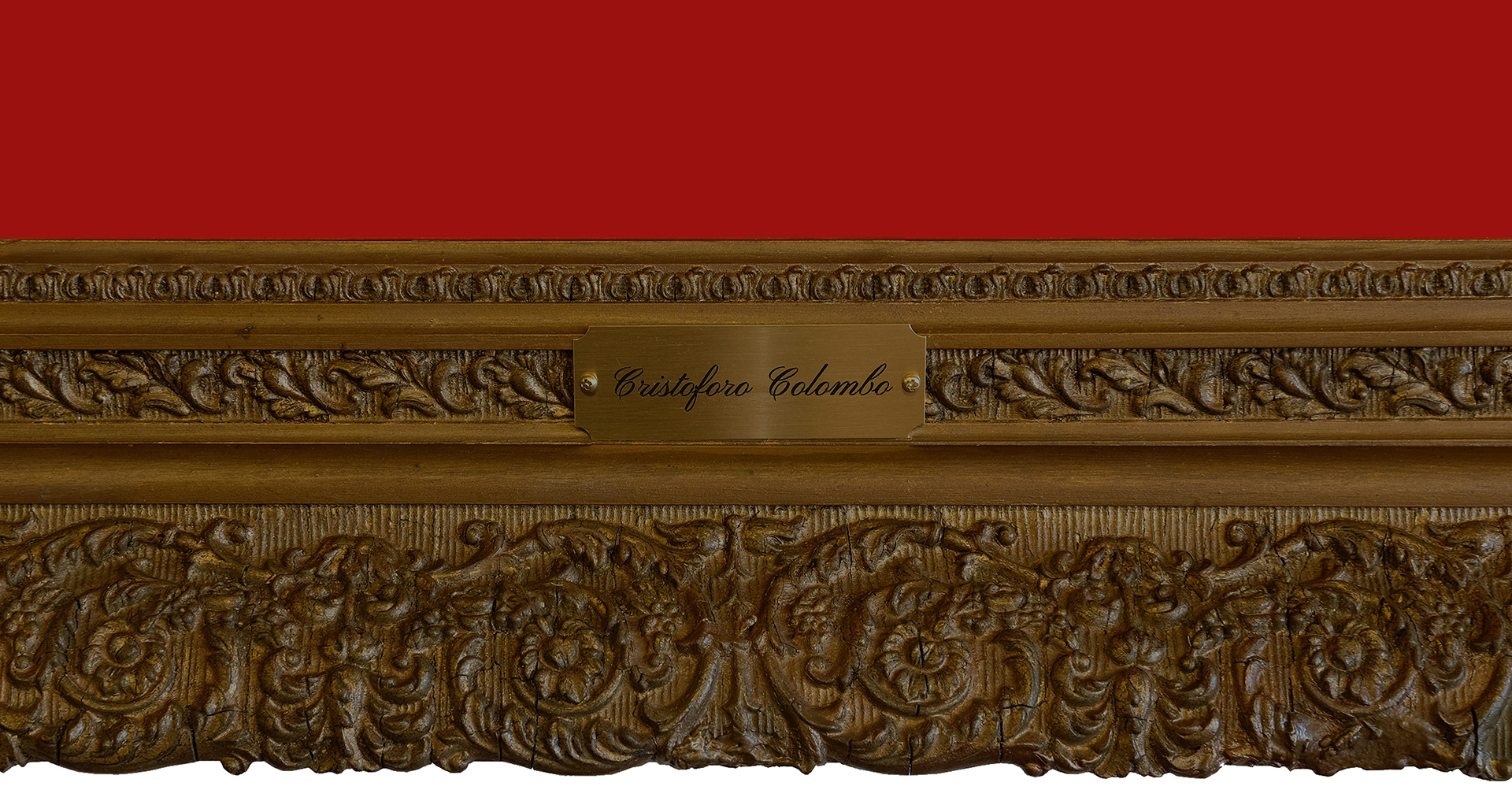
Crimson Legacy
2024, oil, acrylic on canvas; antique gold wooden frame; 38" X 32" X 4".
You may also like
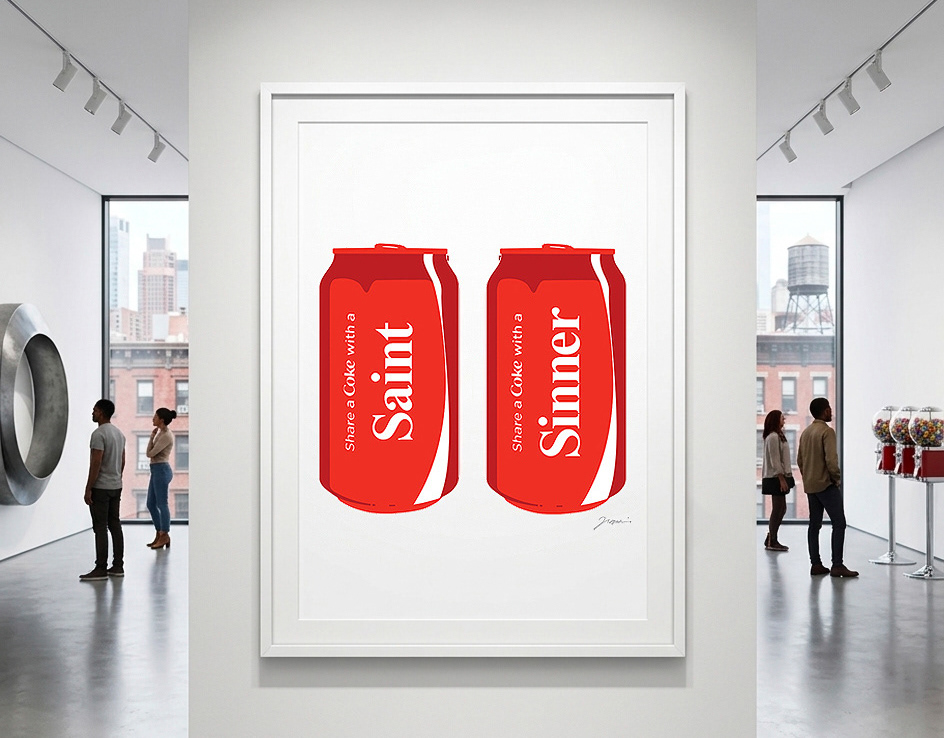
Share A Coke
2016, Giclée Archival print on Cotton Rag / Smooth Matte, Variable Installation Dimensions (e.g., Grid of 20 individual prints or Monumental Single-Panel output up to 6' x 4' / 72" x 48").
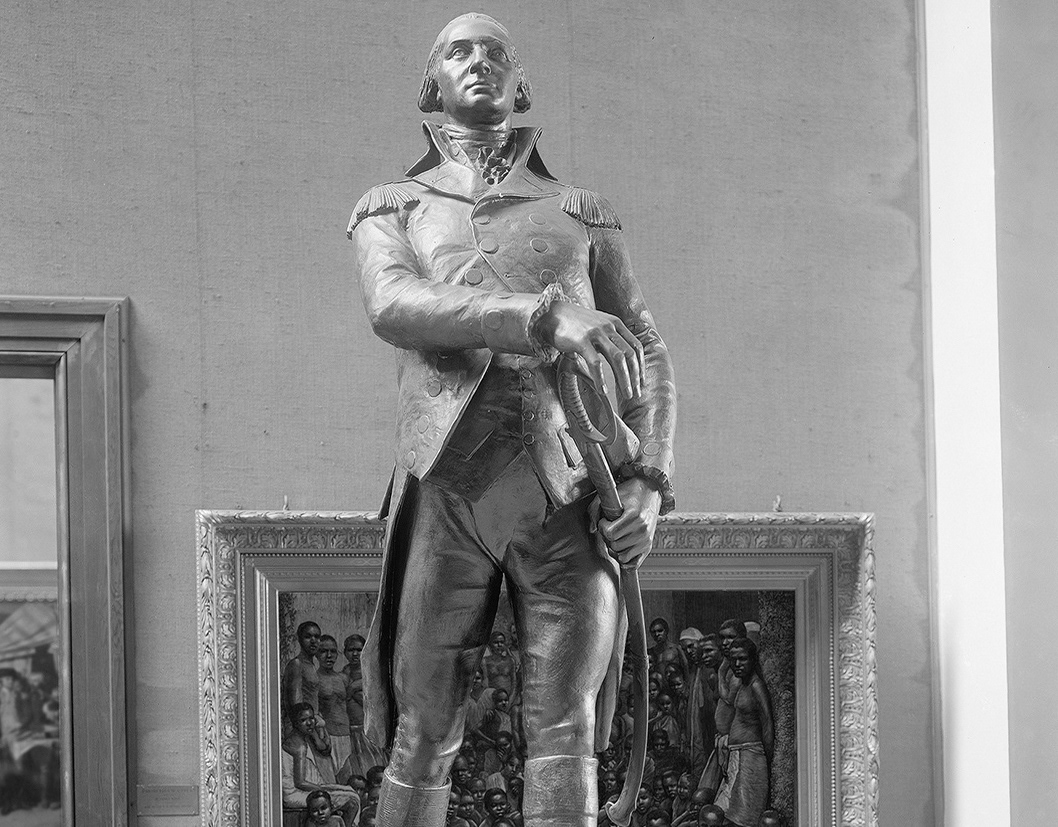
Sins of my Forefathers
2022–present Archival digital prints on Canson Rag Photographique II (210 gsm) 13" × 19", matted to 16" × 20"
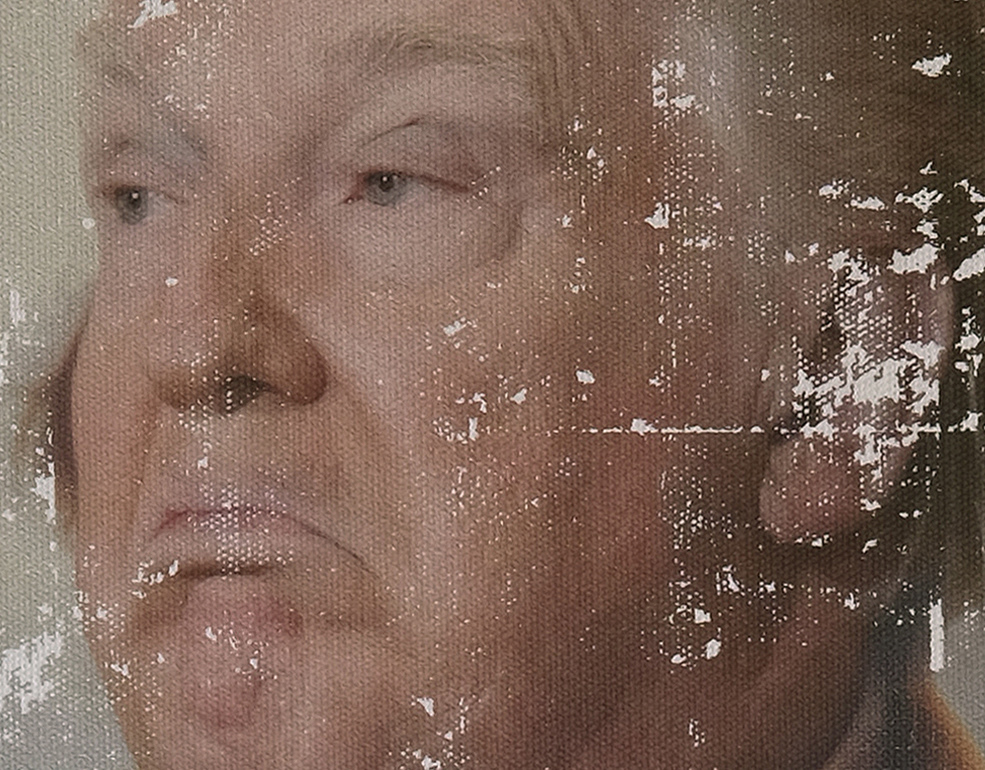
The Great Narcissist
2017, oil, acrylic, digital print on canvas; antique gold wooden frame; 16" X 13.5" X 2".
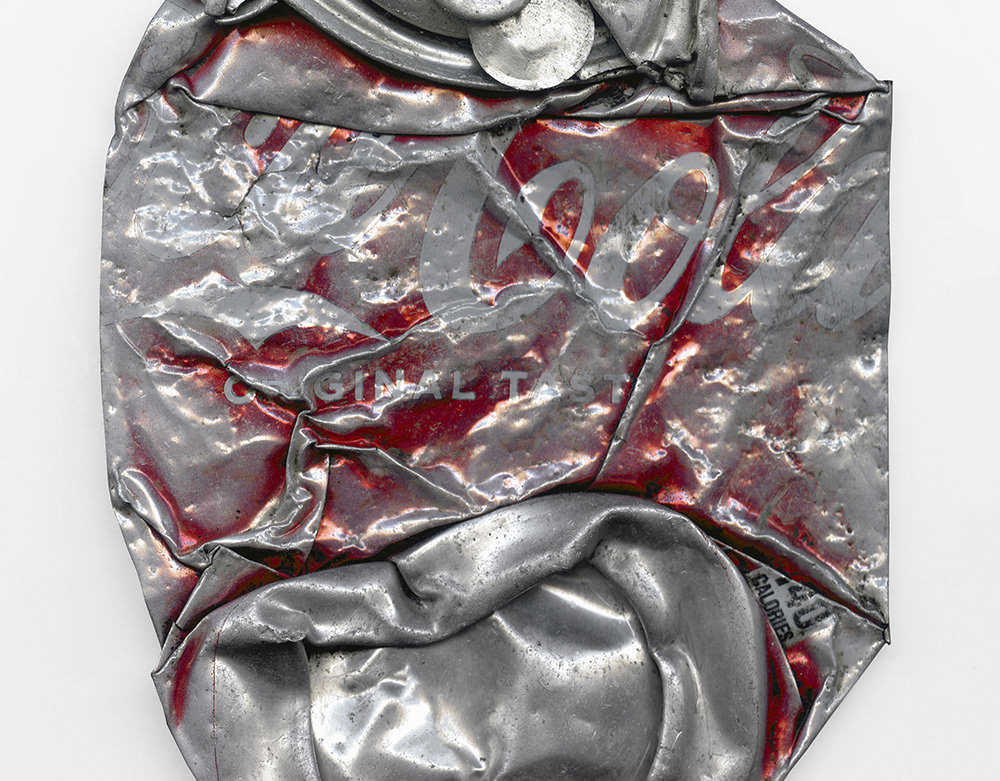
Soft Power (Compressed)
2026, Giclée Archival print on Hahnemühle Photo Rag Bright, 60" X 40".
Shirley Temple
2026, Giclée Archival print on Hahnemühle Photo Rag Bright, 60" X 40".
↑
Back to Top