Available for purchase: $800 USD (each)
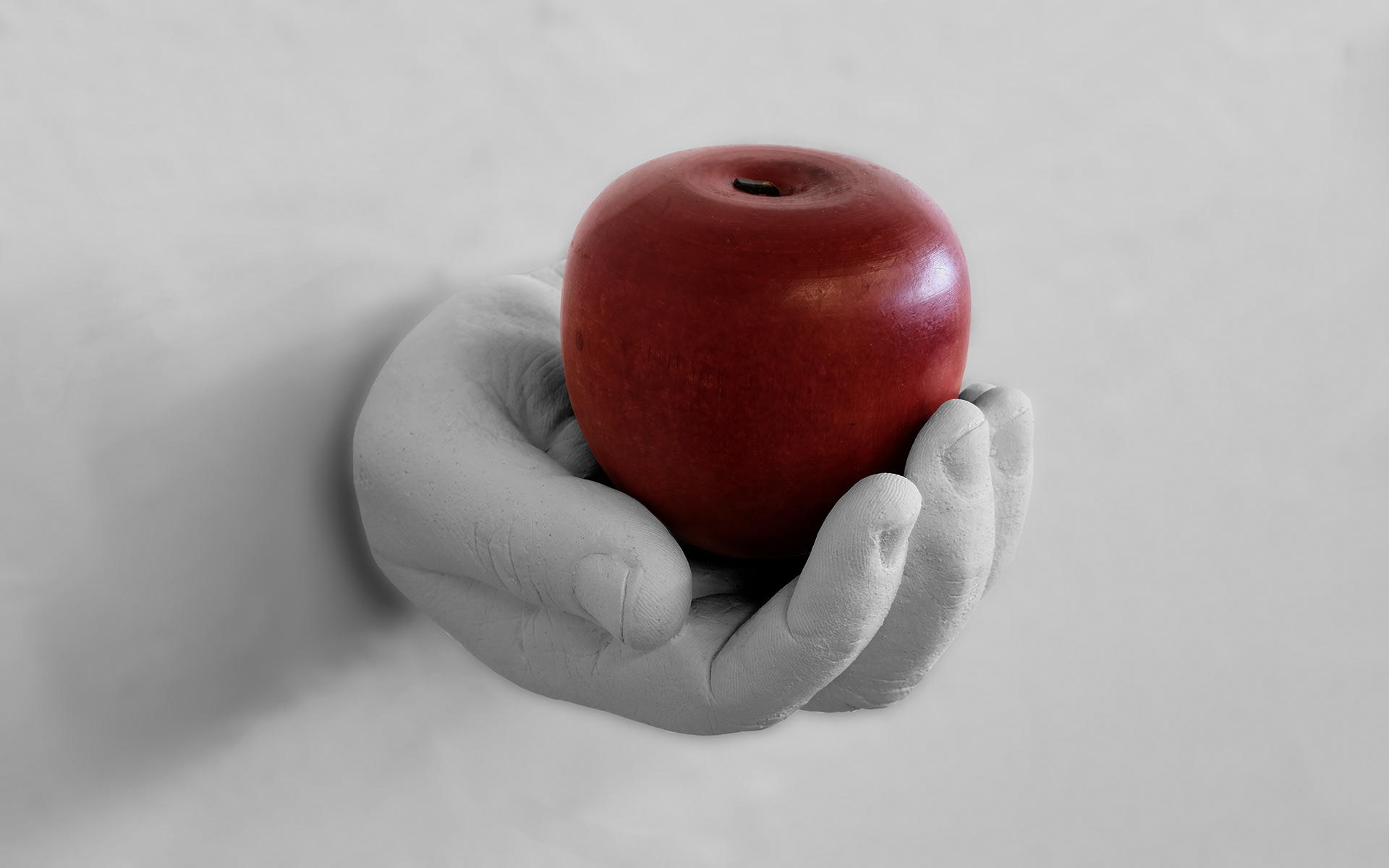
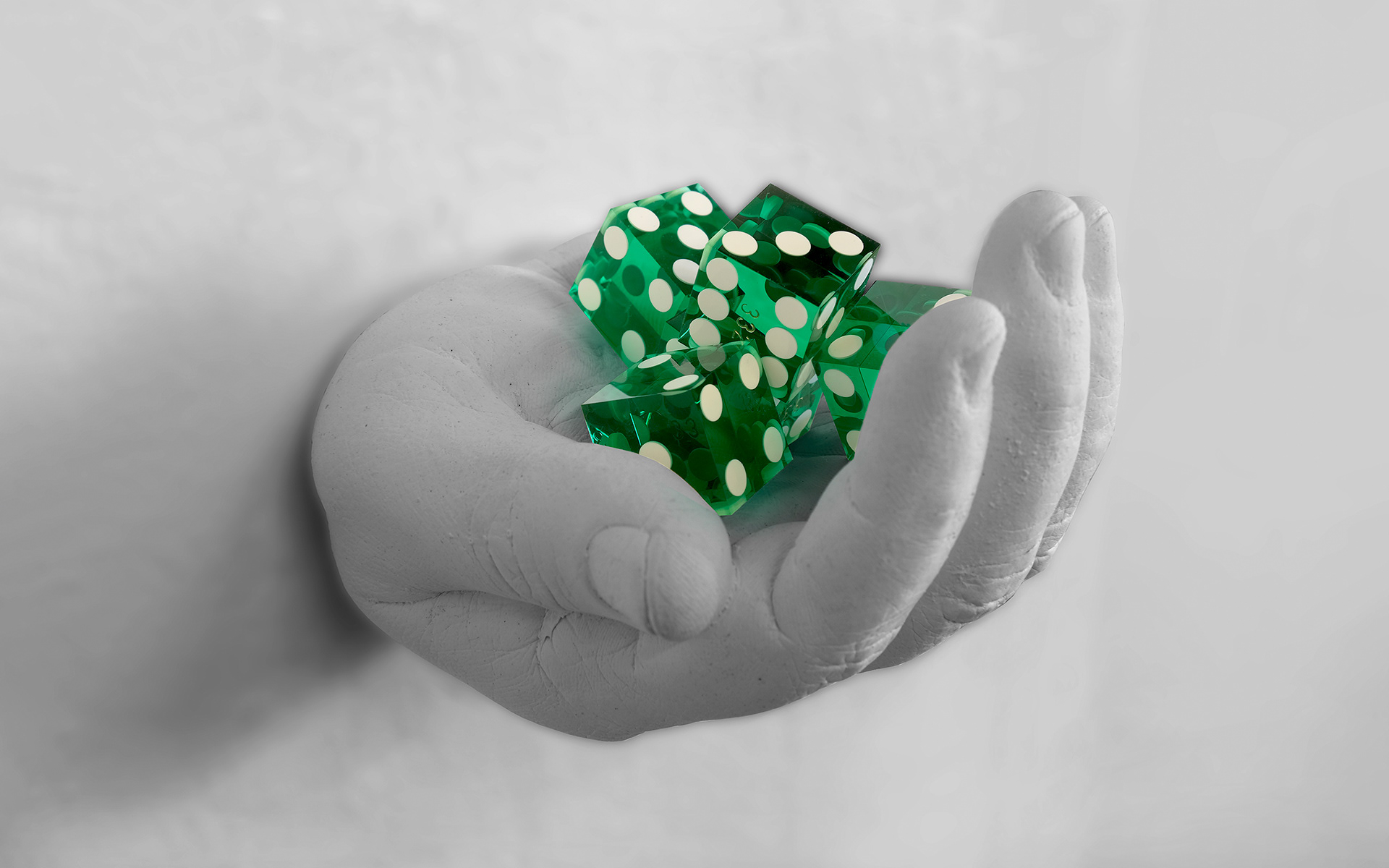
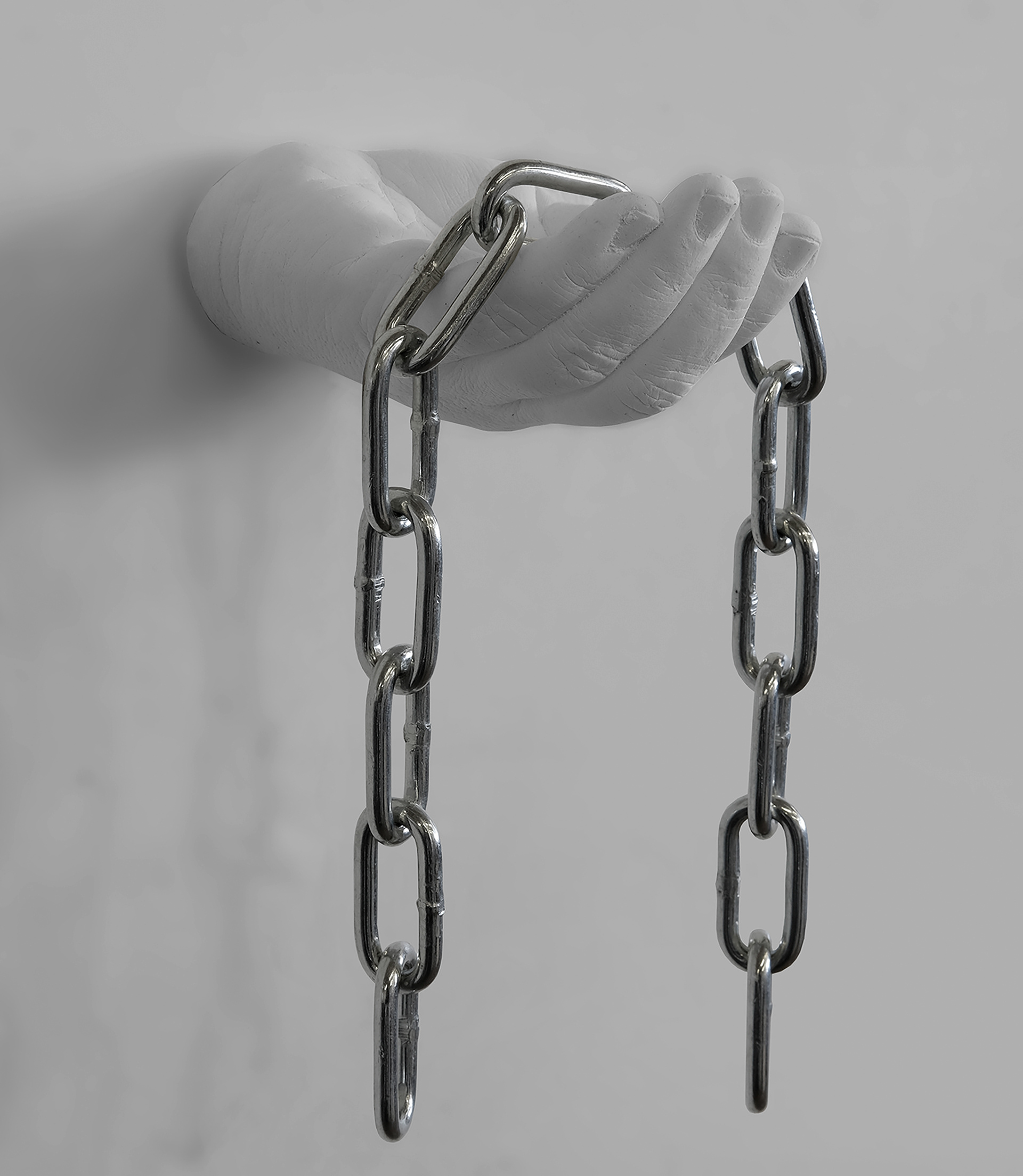
A sculpture from the "Weights of Choice" series by Keith Francis (2024), rendered in plaster and epoxy. The piece, emerging from a neutral, light-grey void background, is a lifelike white plaster casting of two adult hands joined together. The hands form a perfect, cupped bowl, fingers slightly curved.  Resting in the center of the cupped palms is a large, matte-finish crimson red apple. The apple is positioned so the recessed stem area is visible at the top. The sculpture uses the Select-Color technique, where the hands are monochromatic white and grey, and the apple is the only saturated color element. It is one of seven works in the series, standing alongside bullet, key, compass, chain, steel ball, and dice sculptures to conceptualize human agency and the weight of moral choice.
Keith Francis's series of seven hand sculptures, each grasping a symbolic object—a collection of bullets, key, compass, apple, chain, steel ball, and dice—offers a profound examination of the interplay between human agency and external forces through a rich tapestry of symbolism.
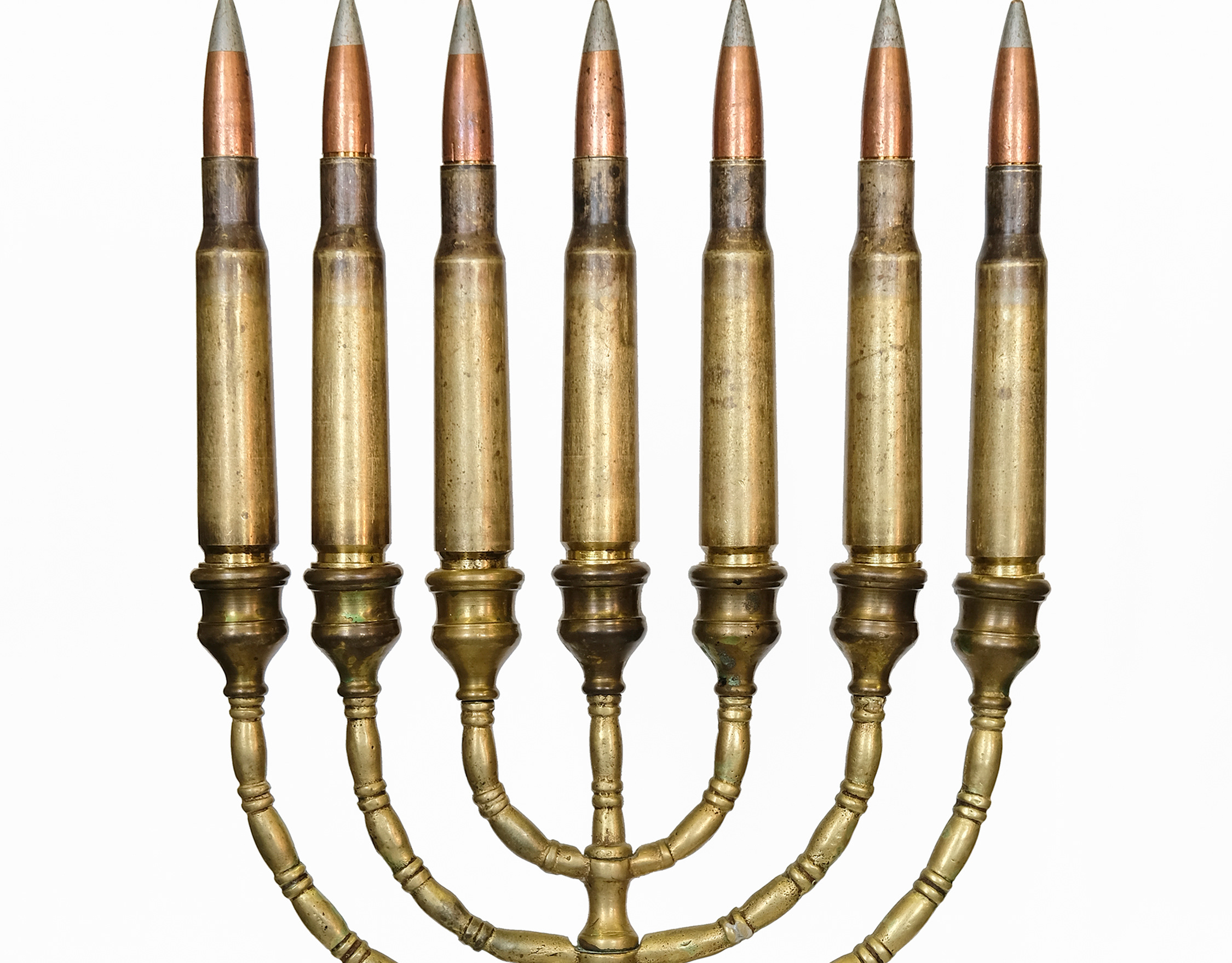
The bullets serve as compelling emblems of violence and the fragility of life. They evoke themes of conflict, power, and the critical choices that lead to transformative outcomes. This object prompts viewers to consider the moral implications of violence and the circumstances that dictate its necessity or rejection. They symbolize the sharp and often irrevocable consequences of human actions, highlighting how a single decision can alter the course of lives irrevocably.
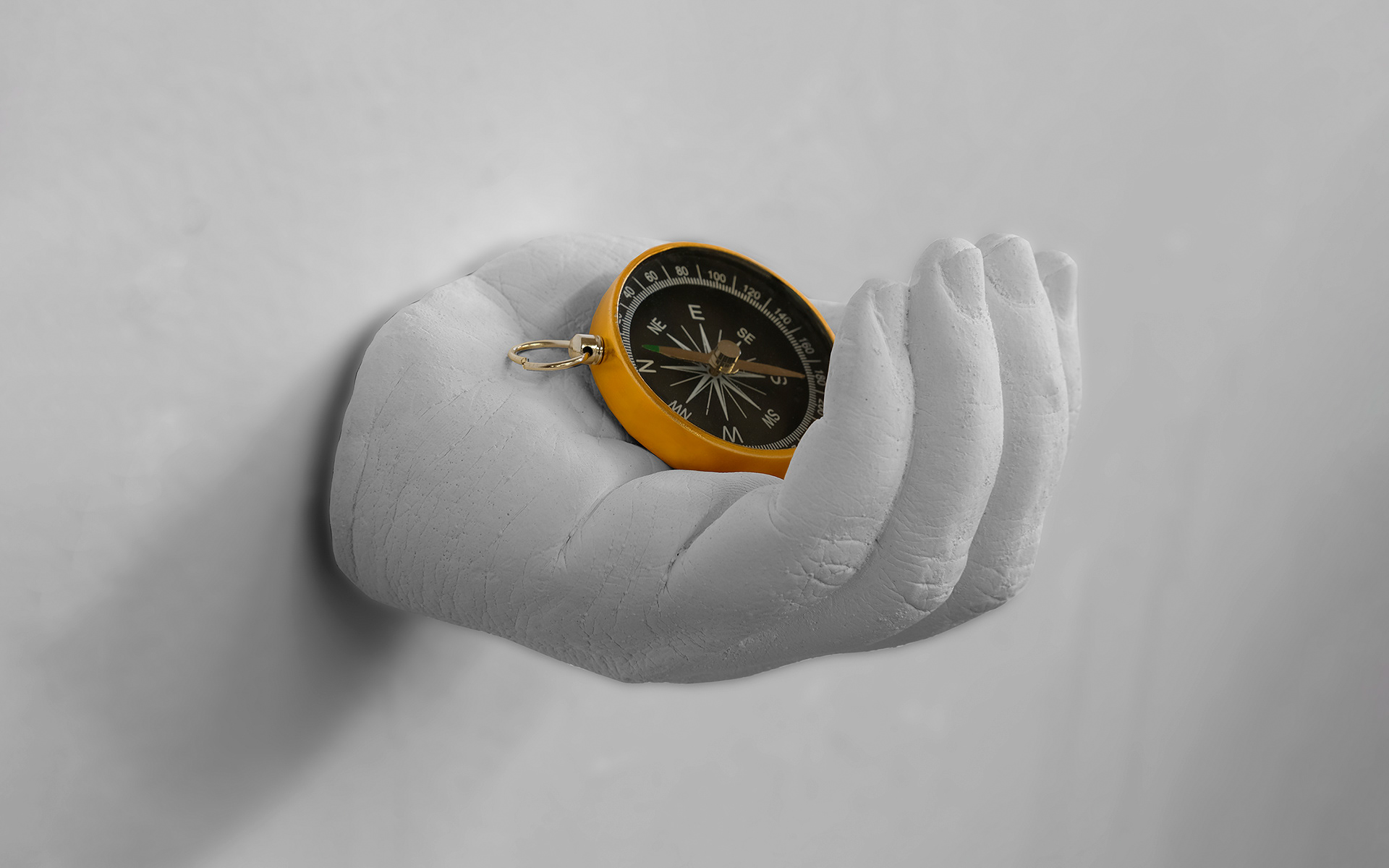
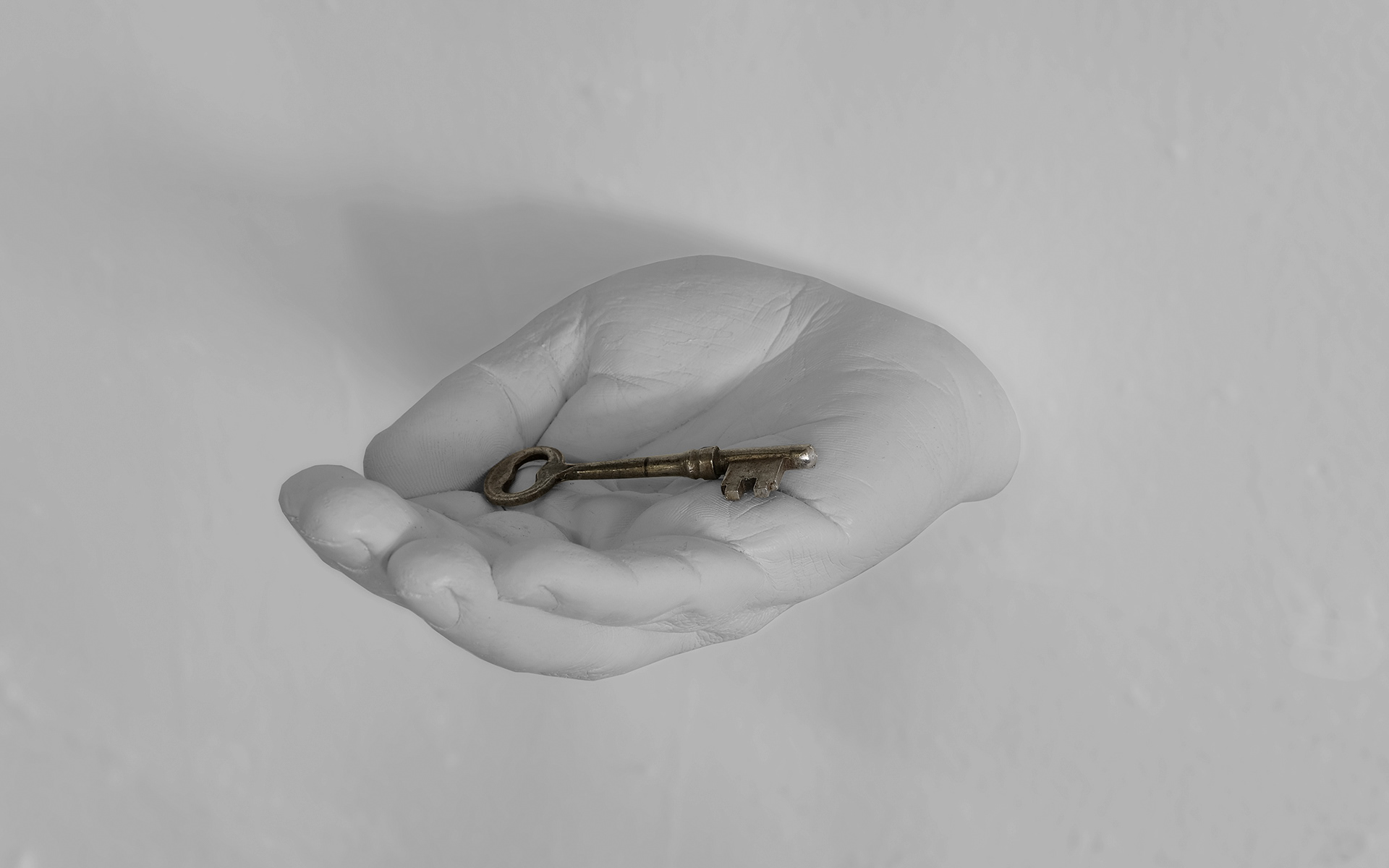
The key embodies access and opportunity, suggesting notions of empowerment and the unlocking of potential paths in one's life journey. The compass, a symbol of navigation, signifies the search for direction and meaning, emphasizing the fluid nature of personal and moral choices amid societal expectations.
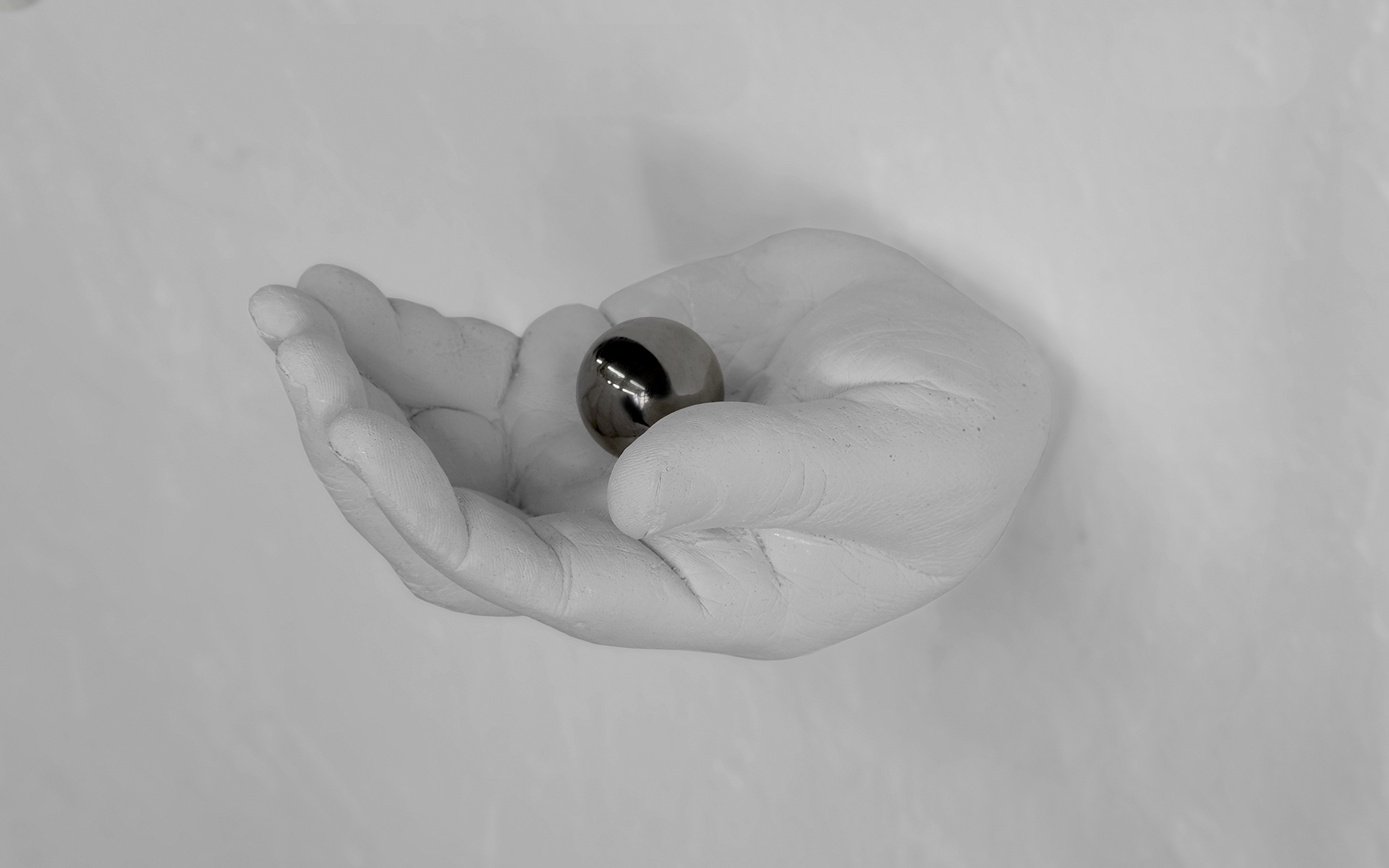
The apple, often associated with knowledge and temptation, challenges viewers to consider the complexities of desire and consequence in their decision-making processes. The chain serves as a metaphor for constraints—both self-imposed and societal—that can inhibit personal freedom and agency. The steel ball represents weight and gravity, highlighting the burdens that individuals carry, urging contemplation on how such weights influence one’s trajectory. Lastly, the dice evoke chance and uncertainty, reinforcing the concept of randomness in life's outcomes and prompting reflections on luck and fate.
Through this intricate interplay of objects laden with historical and cultural significance, Francis invites viewers to engage in a dialogue about the delicate balance between free will and determinism. His work underscores the enduring power of human resilience in the face of adversity, prompting a deeper understanding of how individuals navigate the complex landscape of choice and consequence. In this way, the series not only celebrates the richness of the human experience but also challenges patrons to reflect on their own paths, decisions, and the myriad forces that shape their existence.

You may also like

Back to Top